


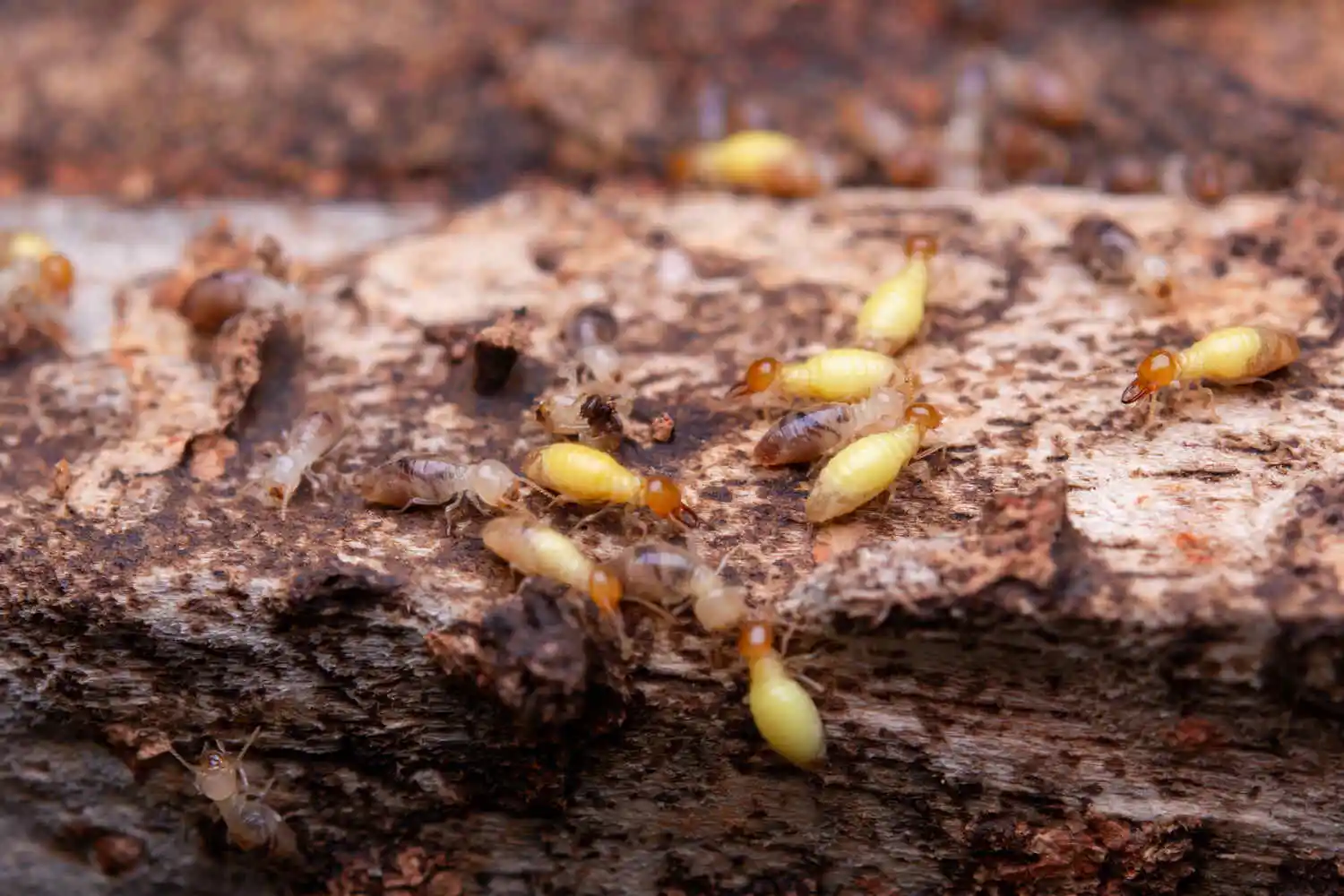
Homeownership comes with many small responsibilities. A loose hinge, peeling paint, or a leaking pipe may not seem urgent at first. But some problems stay hidden until they become expensive and one of the most overlooked issues homeowners face is silent wood deterioration caused by termites.
Often called silent destroyers, they can weaken wooden structures, flooring, and walls long before the problem becomes visible. Because they work quietly behind the surface, many homeowners don’t realize there’s an issue until the repairs become costly.
Knowing the signs early can help you spot unusual changes, take action faster, and protect your property from long-term structural problems.
Why Termites Are Hard to Spot
Unlike common household bugs, they rarely show themselves openly. They stay hidden inside wood and underground, making them difficult to detect during daily cleaning or maintenance. They often feed from the inside out, leaving the outer surface looking normal even when the structure underneath has already started weakening. In many cases, the early warning signs can look like regular wear and tear, making them easy to overlook. This is why a professional termite inspection can help uncover hidden activity before it worsens.
Common and Early Signs of Termite Damage
Mud Tubes Around Walls and Foundations
Thin mud trails near walls or the foundation are often one of the first warning signs.
These tunnels protect colonies as they move between food and shelter.
You may notice them around:
- Basement walls
- Wooden beams
- Exterior corners
- Crawl spaces
Hollow or Weak Wood
A simple tap on wooden surfaces can reveal hidden trouble. If furniture, cabinets, or beams sound hollow, it may mean internal feeding has already started.
Check areas like:
- Door frames
- Cabinets
- Flooring
- Wooden shelves
- Furniture
A detailed wood assessment service can help uncover the full condition.
Discarded Wings Near Windows and Doors
Small piles of wings near entry points can signal fresh colony movement. These are often left behind after swarmers settle into a new space. This may point to a termite infestation, especially if it happens more than once.
Bubbling Paint and Wall Damage
Peeling paint or swollen walls are often mistaken for moisture problems. In many cases, internal activity beneath the surface creates similar effects.
Watch for:
- Blistering paint
- Hairline cracks
- Uneven wall texture
- Tiny holes
Stuck Doors and Tight Windows
If your doors or windows suddenly become hard to open, the wood may be shifting from inside. This can happen when moisture builds up or internal sections weaken over time. While weather changes can also affect wood, repeated stiffness is worth checking.
Clicking Sounds in Walls
Soft rustling or tapping sounds in quiet rooms can be another clue. These noises may come from movement inside wooden structures. Though subtle, repeated sounds should not be ignored.
Sagging Floors and Damaged Woodwork
Advanced wear often becomes visible through:
- Uneven floorboards
- Weak corners
- Cracked wooden edges
- Soft support areas
At this stage, early intervention can help reduce further structural loss. Waiting too long can make repairs much more expensive.
Don’t ignore the signs: book a professional check before the damage spreads.
Why Early Inspection Matters
By the time visible damage appears, the colony may already be well-established.
A yearly termite inspection can help identify:
- Hidden entry points
- Moisture-prone zones
- Nesting areas
- Structural weak spots
Regular inspections play an important role in detecting hidden activity before it spreads to larger parts of the property. They also help assess the extent of internal damage and identify conditions that may increase the risk of future infestations. Addressing these concerns early can help homeowners avoid major structural repairs and maintain the long-term safety of their property.
How Professionals Can Help
Once activity is confirmed, quick treatment becomes important. Professional treatment helps remove active colonies and lowers the chance of future infestations.
Termite treatment options may include:
- Barrier treatments
- Bait systems
- Spot applications
- Preventive wood care
The earlier the issue is addressed, the easier it usually is to manage.
Contact us today to discuss the best treatment option for your property.
Home Termite Prevention Tips
Prevention is always easier than fixing deep structural problems later.
Here are a few practical steps homeowners should follow to avoid damage caused by termite:
- Reduce Moisture
- Fix leaks and clear standing water near walls.
- Store Wood Carefully
- Keep firewood away from your exterior.
- Seal Small Gaps
- Close cracks near pipes, vents, and windows.
- Schedule Routine Checks
- Annual inspections support stronger home termite control.
- Protect Wooden Areas
- Seal exposed wood to lower risk.
- Small preventive steps now can help avoid major trouble later.
If you’ve noticed any of these signs of termite damage, now is the right time to take action before the problem grows
FAQs
How do I know if termite damage is active?
Fresh mud tubes, new wing piles, or visible movement usually indicate active colony presence.
Can termites spread quickly?
Yes. Once established, they can expand quietly and affect multiple parts of a house.
Is termite inspection necessary every year?
For most homes, a yearly inspection is a good preventive step.
What should I do if I suspect termite damage?
The best step is to contact a professional immediately for an evaluation.

